
ELEMENTARY EDUCATION AND NUTRITION
Elementary education in Tanzania faces major challenges despite high enrolment rates, with classrooms often overcrowded, holding 50 to 150 students per teacher, creating an environment that limits learning and overall development for children, especially in rural areas where resources and support are scarce.
Key Challenges in Elementary Education
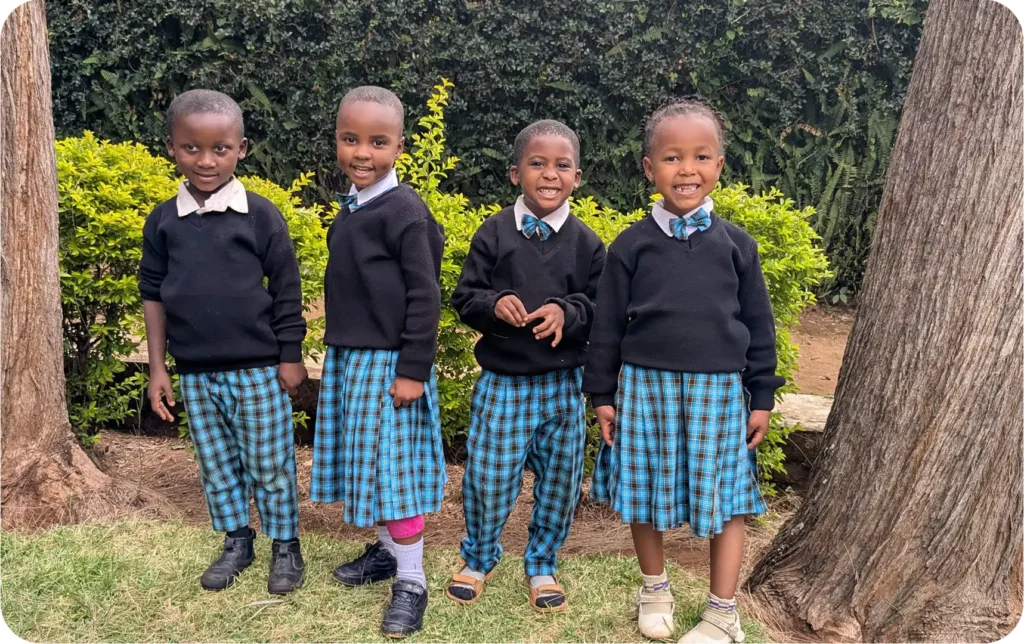
The education system struggles with chronic shortages of qualified teachers and learning materials, such as one textbook for every five students, poor infrastructure including desks, chairs, toilets, and clean water, high dropout rates caused by long distances to school and early pregnancies, overcrowded classrooms, and lack of nutritious meals, particularly at lunch, which affects children’s health and ability to learn.
Early Childhood Development Importance
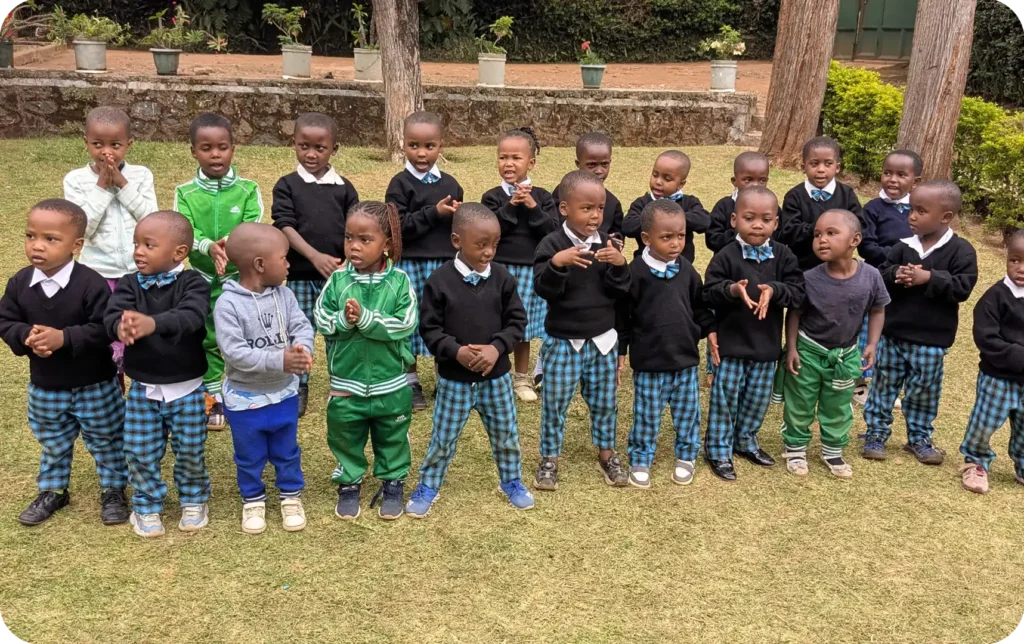
Early Childhood Development (ECD) is critical for children’s future health, education, and overall well-being. In Tanzania, despite government and stakeholder efforts, gaps remain, with the 2022 Tanzania Demographic Health Survey showing that only 47% of children aged 24-59 months are developmentally on track, dropping from 58% for ages 24-35 months to 36% for ages 48-59 months, highlighting the urgent need for targeted interventions addressing nutrition, health, hygiene, and protection against violence.
Tanzania Community Rising Initiative
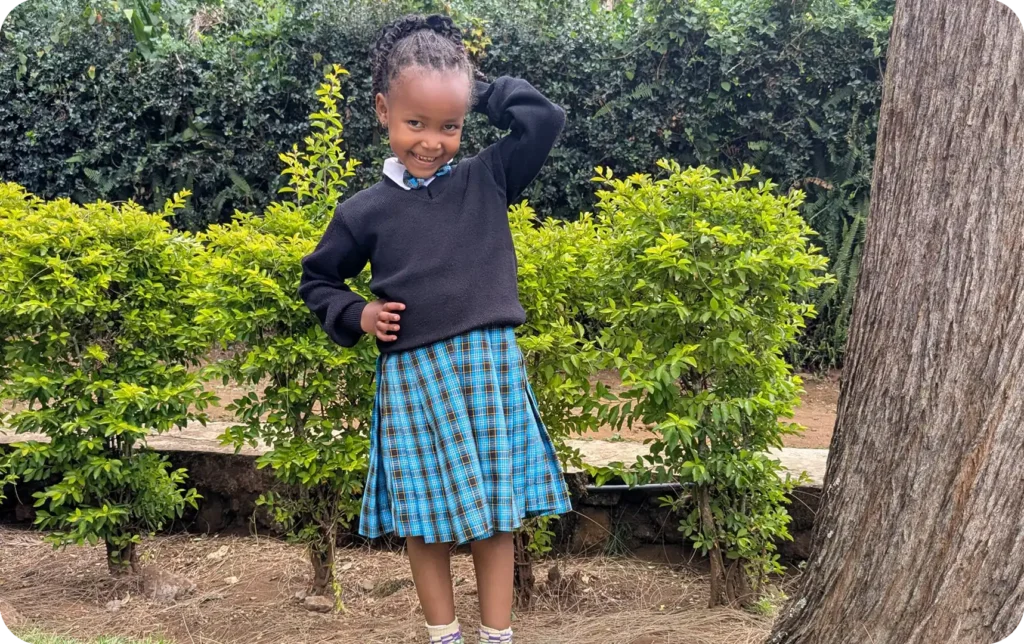
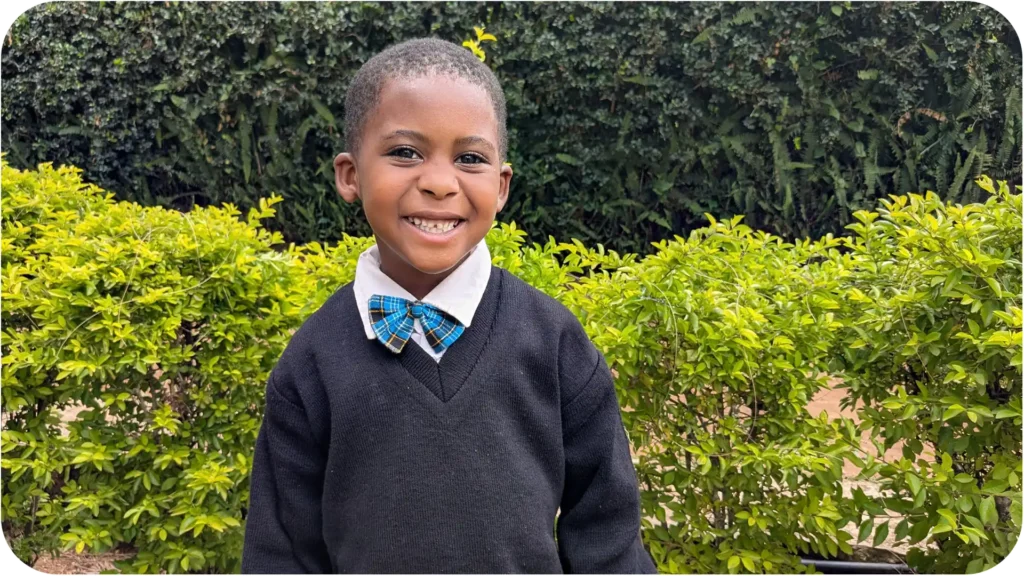
Tanzania Community Rising has introduced the Elementary Education and Nutrition project, starting with a kindergarten and aiming to expand to a full elementary school, focusing on providing free education and care to children aged 3-5 in rural areas, shortening their walking distances to school, providing nutritious meals, implementing WASH programs for better health, and building strong foundations in reading, writing, and counting.
Holistic Child Development
The initiative also nurtures the whole child by fostering ethical foundations, ensuring children grow with a sense of security and belonging, and delivering quality care that promotes health, well-being, and lifelong learning skills, supporting both education and nutrition to prepare children for a better future.